
Land Grading for Drainage and Construction Prep in Kansas
Land grading affects how water moves across a property, how stable a building site is, and how prepared the ground is for future construction or landscaping. For Kansas property owners, grading can be especially important because heavy rain, clay-heavy soil, and changing seasonal conditions can all create drainage problems over time.
Whether you are dealing with standing water, preparing a building pad, correcting slope issues, or planning construction site preparation, understanding the basics of land grading can help you know what to look for before work begins.
For Wichita-area property owners planning drainage improvements, building pads, or site prep, Larry Cook Construction’s dirt work and grading services can help prepare the ground for the next phase.
What Is Land Grading?
Land grading is the process of reshaping or leveling the ground to create a better slope, improve drainage, or prepare a site for construction. Depending on the property, grading may involve cutting down high areas, filling low spots, moving soil, or shaping the land so water flows in a better direction.
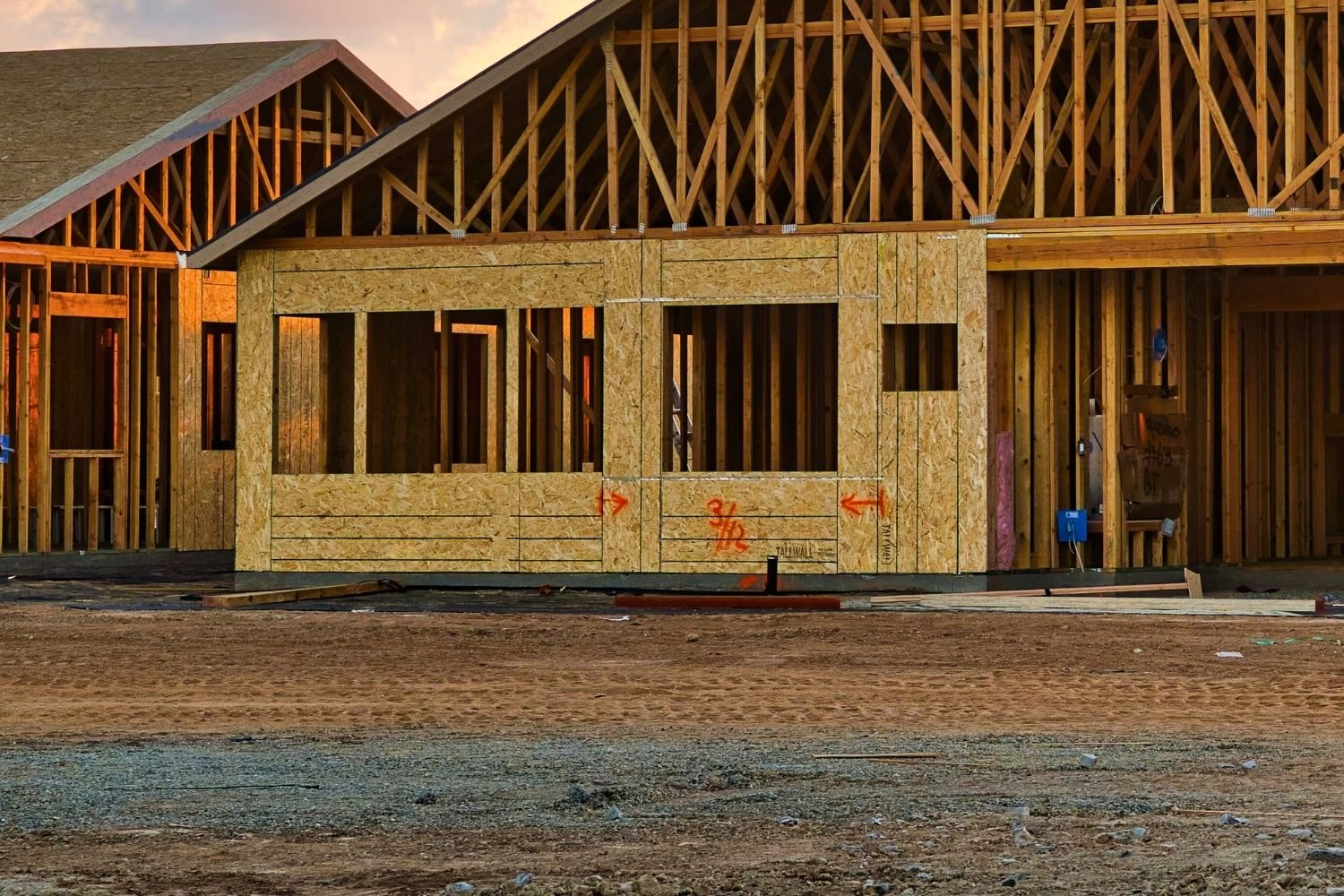
Grading is used for many types of property improvement and construction projects, including:
Drainage correction
Building pad preparation
Driveway preparation
Yard leveling
Erosion control
Construction site preparation
Landscaping preparation
Dirt work and site prep
The goal is not always to make the land perfectly flat. In many cases, the goal is to create the right slope so the property drains properly and can support the next phase of work.
Why Grading Matters for Kansas Properties
Kansas weather can shift from dry conditions to heavy rainfall quickly. When a property is not graded well, water may collect in low spots, run toward structures, wash out soil, or create muddy areas that are difficult to use.
Poor drainage can contribute to foundation, sidewalk, driveway, and erosion issues over time. It can also make future construction or landscaping more difficult if the site is not properly prepared.
Land grading can help with:
Moving water away from buildings
Reducing standing water
Improving access across the property
Preparing soil for construction
Creating a better base for driveways or building pads
Reducing erosion concerns
Supporting drainage improvements
For Wichita-area properties, grading is often part of a larger site preparation plan. The right approach depends on the slope of the property, soil conditions, drainage patterns, and what the property owner wants to do next.
Signs Your Property May Need Grading
Not every drainage issue means a full grading project is needed, but there are signs that the property may need to be evaluated.
You may need grading or drainage correction if you notice:
Water pooling near a home, garage, shop, or building
Standing water that remains after rain
Soil washing away from slopes or low areas
Driveways or gravel areas washing out
Uneven ground that makes the property hard to use
Water flowing toward structures instead of away from them
Low spots that stay muddy
Plans for new construction, landscaping, or driveway work
If these issues keep coming back after rain, the problem may be more than a low spot in the yard. A contractor can look at how water moves across the property, whether soil needs to be moved or added, and whether grading, drainage correction, or site prep work makes sense.
Types of Land Grading Services
Different projects need different types of grading. The right approach depends on the condition of the site and the purpose of the work.
Rough Grading
Rough grading shapes the land during the early stages of a project. This may involve moving larger amounts of soil, filling low areas, removing high spots, or creating the basic slope needed for drainage or future construction.
Rough grading is often used for construction site preparation, building pads, driveways, and larger property improvements.
Finish Grading
Finish grading is more detailed. It creates a smoother final surface after the main dirt work is complete. This may be needed before landscaping, seeding, sod installation, gravel, or other surface improvements.
Finish grading helps prepare the site for the final use, whether that is a lawn, driveway area, outdoor workspace, or finished property improvement.
Slope Correction
Slope correction helps redirect water away from buildings, driveways, or areas where water is collecting. This can include reshaping the grade, filling low spots, or adjusting the land so drainage patterns make more sense.
This type of grading is often helpful when water is flowing toward a structure or sitting in areas that should drain.
Drainage Grading
Drainage grading focuses specifically on managing water movement across the property. The goal is to help water move away from problem areas and toward appropriate drainage paths.
This may be part of a larger drainage correction project, especially when a property has repeated standing water, erosion, or washout problems.
Land Grading for Construction Site Preparation
Grading is often one of the first steps before construction, driveway work, landscaping, or building pad preparation. A site may need rough grading to shape the land, fill low areas, improve drainage, or create better equipment access.
For new construction, grading helps create a more stable starting point. It can also reduce drainage issues before concrete, structures, or landscaping are added.
Land grading may support:
Building pad preparation
Driveway installation or repair
Shop or outbuilding construction
Drainage improvements
Landscaping projects
Access roads or gravel areas
Excavation and demolition cleanup
General construction site preparation
If a property also needs land clearing, demolition, or excavation before grading begins, those steps should be planned together. Larry Cook Construction’s excavation and demolition services can help prepare a site when removal, clearing, or excavation work is needed before grading.
When to Schedule Grading in Kansas
The best time for land grading depends on the property, the soil conditions, and the type of work being done. In Kansas, weather can play a major role.
Spring and fall are common times for grading and site prep because temperatures are usually more manageable. However, wet spring weather can make some sites harder to access. Summer may work well for certain projects, but dry soil and heat can affect timing. Winter grading may be possible in some cases, but frozen ground or snow can slow the process.
Before scheduling grading, consider:
Recent rainfall
Soil moisture
Equipment access
Upcoming construction timelines
Drainage concerns
Whether other site prep work is needed first
If grading is part of a larger project, it is usually best to plan it early so the site is ready before the next phase begins.
What to Expect During a Grading Project
Every grading project is different, but most begin with a look at the property and the problem that needs to be solved. The contractor may consider where water is moving, where it is collecting, how equipment can access the area, and what the final use of the site will be.
A grading project may include:
Evaluating slope and drainage patterns
Identifying low or high areas
Moving, adding, or removing soil
Shaping the site for better drainage
Preparing a building pad or driveway area
Cleaning up rough areas after excavation or demolition
Smoothing the site for future use
The goal is to prepare the land in a way that supports the property owner’s next step, whether that is construction, landscaping, drainage correction, or general property improvement.
Planning a Grading or Site Prep Project?
Land grading can make a major difference in how a property drains, how usable the site is, and how prepared the ground is for construction or future improvements. The right grading plan depends on the property, the soil, the drainage patterns, and what you want to do next.
Planning grading, drainage correction, or site prep in the Wichita area? Larry Cook Construction can help you talk through the property conditions, equipment access, drainage concerns, and next steps. Learn more about our dirt work and grading services or request an estimate when you are ready.
FAQs About Land Grading in Kansas
What is the difference between rough grading and finish grading?
Rough grading shapes the site during the early stages of work. It usually involves moving larger amounts of soil and creating the basic slope or layout. Finish grading is more detailed and prepares the surface for landscaping, gravel, sod, or final use.
Can grading help with standing water?
Grading may help with standing water if the issue is caused by poor slope, low spots, or water flowing toward the wrong area. In some cases, grading may need to be combined with drainage improvements depending on the property.
Is grading needed before construction?
Many construction projects need some type of grading before work begins. Building pads, driveways, outbuildings, and site access areas often need properly prepared ground before the next phase can move forward.
When is the best time to schedule grading in Kansas?
Spring and fall are common times for grading, but the right timing depends on weather, soil moisture, access, and the overall project schedule. Very wet, frozen, or unstable ground can affect when grading work makes sense.
How do I know if my property has a grading problem?
Repeated standing water, soil erosion, washouts, muddy low spots, or water moving toward buildings can all be signs of a grading or drainage issue. A contractor can evaluate the site and help determine whether grading, drainage correction, or other site prep work may be needed.
Related Reading
Planning grading as part of a larger site preparation project? You may also want to read Safe Demolition Practices in Kansas to understand how demolition, utility checks, debris removal, and site prep can affect the next phase of work.