
New Homeowner Property Improvement Checklist for Wichita Homes
Buying a home is exciting, but it can also come with a long list of things to inspect, repair, update, and plan. Some items are simple move-in tasks. Others can affect drainage, safety, remodeling plans, construction timelines, or future property improvements.
For Wichita-area homeowners, it helps to look beyond paint colors and furniture placement. Kansas weather, older homes, drainage patterns, soil movement, and previous repairs can all affect what needs attention after closing.
For many new homeowners, the first year is when hidden repair needs, drainage problems, remodeling ideas, and exterior property issues start to show up. Looking at the home as a whole can help you prioritize what needs attention now and what can be planned for later.
Use this new homeowner property checklist to review important items before and after moving in, especially if you are planning repairs, remodeling, grading, excavation, demolition, or other construction projects.

Before You Finalize the Purchase
Before closing on a home, review the property carefully and ask questions about anything that could affect future repairs or improvements. A home inspection is important, but it is also helpful to think about how the property will work for your plans after you move in.
Things to review before closing include:
Inspection report findings
Known repairs or previous remodeling work
Drainage patterns around the home
Foundation, driveway, sidewalk, or concrete concerns
Roof, siding, window, and exterior condition
Basement or crawlspace moisture
Garage, shop, shed, or outbuilding condition
Fence, driveway, and access points
Any unfinished projects left by the previous owner
Space for future additions, patios, driveways, or outdoor improvements
If you already know you want to remodel, add on, improve drainage, or change how part of the property is used, it is helpful to identify those needs early.
Plan Future Remodeling or Construction Projects
Many new homeowners buy a property knowing they want to make changes. Some updates are cosmetic, while others involve construction planning, structural changes, utility locations, drainage, or site prep.
Before starting a larger project, think through:
What problem the project needs to solve
Whether the work affects plumbing, electrical, or structural areas
How the project connects to drainage or exterior grading
Whether permits may be needed
Whether demolition or removal is required first
Whether equipment access could affect the project
How the project should be phased
What work should happen before finishes are installed
For example, if you want to add a patio, shop, addition, driveway, or outdoor living area, the land may need grading or site preparation first. If you want to remodel an older space, it may be worth checking for moisture, layout issues, or previous repair work before finalizing plans.
Larry Cook Construction’s residential construction services can help with remodeling, additions, repairs, and property improvements for Wichita-area homeowners.
Look for Moisture, Drainage, and Foundation Concerns
Drainage is one of the most important things for Wichita-area homeowners to watch. Heavy rain, clay-heavy soil, freeze-thaw cycles, and poor grading can all affect how water moves around a property.
Walk the property after a rain if possible and look for:
Water pooling near the foundation
Soil washing away from the house
Low spots that stay muddy
Water flowing toward the home instead of away from it
Cracks in sidewalks, driveways, or patios
Downspouts draining too close to the foundation
Basement or crawlspace moisture
Erosion near slopes, driveways, or drainage paths
If these issues keep coming back, the problem may be more than a small low spot. Larry Cook Construction’s dirt work and grading services can help with drainage correction, grading, and site preparation when the ground around the property needs attention.

Review Exterior Repairs and Property Access
After buying a home, it is easy to focus on the inside first. However, exterior repairs and access issues can affect how well the property functions and how future projects can be completed.
Check areas such as:
Driveways and gravel areas
Sidewalks and walkways
Porches, decks, and patios
Fencing and gates
Retaining walls
Exterior steps and railings
Sheds, garages, shops, or outbuildings
Drainage ditches or swales
Access for equipment, trailers, or future projects
If you are planning a larger project, equipment access matters. Tight gates, soft ground, steep slopes, trees, utilities, or limited driveway space can all affect how work is planned.
For homes with older sheds, damaged outbuildings, or areas that need clearing before new work begins, excavation and demolition services may be part of the planning process.
Home Projects to Plan After Moving In
Larry Cook Construction helps Wichita-area homeowners with practical property improvement projects after they move in. Depending on the condition of the home and property, that may include remodeling, repairs, additions, dirt work, grading, drainage correction, excavation, demolition, or site preparation.
If your inspection report or first few months in the home reveal bigger project needs, it can help to talk through the work before deciding what to handle first.
Common projects to plan after moving in may include:
Interior remodeling
Room additions
Exterior repairs
Drainage correction
Dirt work and grading
Driveway or access improvements
Site preparation
Excavation or demolition
Outbuilding, garage, or shop-related improvements
Patio or outdoor living updates
The right order matters. Drainage or grading work may need to happen before exterior improvements. Demolition or clearing may be needed before new construction. Remodeling plans may need to account for plumbing, electrical, or structural conditions before finishes are selected.
Check the Home’s Major Systems
Every new homeowner should understand the basic condition of the home’s major systems. This includes heating and cooling, plumbing, electrical, water heater, appliances, roof, windows, and insulation.
For the Construction site, the main goal is not to diagnose those systems in detail. Instead, use the inspection report to understand what may affect future repairs or remodeling.
For example:
Older electrical systems may affect remodeling plans.
Plumbing locations can affect bathroom, kitchen, or laundry updates.
Roof or siding issues may need to be handled before interior finish work.
Moisture problems may need to be addressed before remodeling.
Poor insulation or window condition may affect comfort and project planning.
If a licensed trade specialist is needed, bring them in before starting work that could affect those systems. Planning ahead can help avoid surprises once a project begins.
Make a Priority List for Repairs
Not every repair has to happen immediately. A practical priority list can help you separate urgent issues from future improvements.
Start by grouping repairs into three categories.
Immediate Safety or Damage Concerns
These are items that may need attention soon because they affect safety, water intrusion, access, or active damage. Examples may include major leaks, unsafe steps, drainage problems near the home, exposed wiring, structural concerns, or broken exterior doors.
Short-Term Property Improvements
These are projects that may make the home more usable or prevent bigger problems later. Examples may include grading low areas, repairing exterior surfaces, improving drainage, fixing damaged concrete, replacing worn materials, or updating high-use areas.
Future Remodeling or Construction Projects
These are larger plans that may need more time, budgeting, design, or permitting. Examples may include room additions, kitchen or bathroom remodeling, garage or shop improvements, patios, driveway work, or larger site preparation.
Having a written list helps you plan projects in a way that makes sense instead of reacting to every issue at once.
Watch for Older Home Concerns
Older homes can have character, but they may also come with materials or conditions that need special attention before repairs or remodeling begin.
Depending on the age and condition of the home, watch for:
Older wiring or plumbing
Previous DIY repairs
Water damage or staining
Uneven floors
Cracked plaster or drywall
Settling or foundation concerns
Older windows or exterior materials
Potential asbestos, lead paint, or mold concerns
If asbestos, lead paint, mold, or other regulated materials may be present, contact a qualified testing or remediation professional before disturbing those materials. It is better to identify those issues before demolition, sanding, cutting, or remodeling begins.
Handle Basic Safety Items After Moving In
Some new homeowner tasks are simple but important. These are not construction projects, but they help make the home safer and easier to manage after moving in.
After closing, consider:
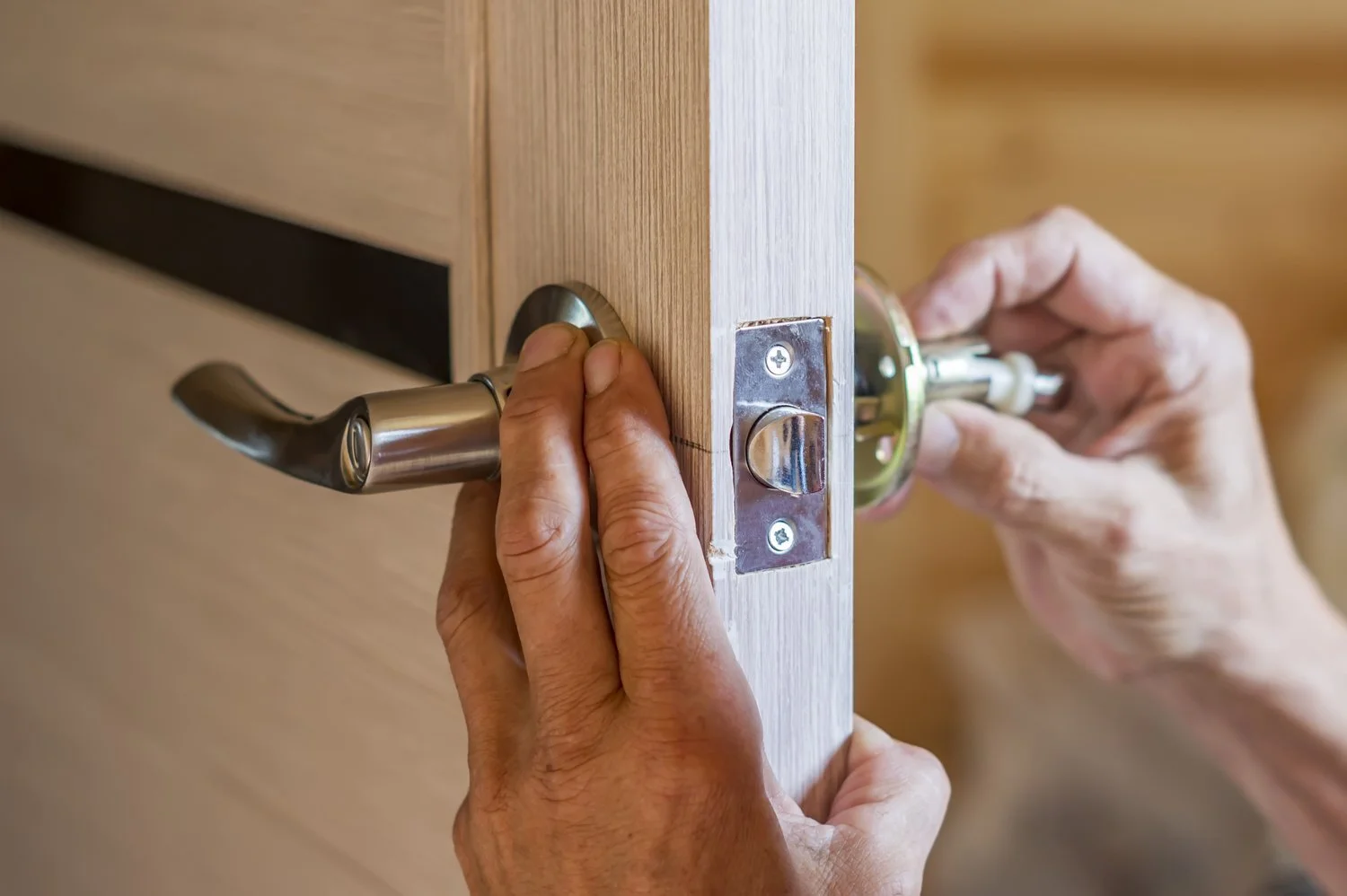
Changing locks or rekeying exterior doors
Testing smoke and carbon monoxide detectors
Replacing detector batteries
Locating water shutoff valves
Locating the electrical panel
Checking exterior lighting
Reviewing garage door safety features
Creating a folder for warranties, manuals, permits, and inspection reports
Making a list of contractors and service providers
These tasks help you understand the home and stay organized as future repairs or improvements come up.
Keep a Homeowner Project File
A simple homeowner file can save time later. Keep copies of inspection reports, repair invoices, permits, warranties, paint colors, appliance manuals, project notes, and contractor information.
This is especially helpful if you plan to remodel, sell the home later, or continue improving the property over time.
Your project file can include:
Home inspection report
Photos from before and after repairs
Contractor estimates
Material selections
Permit information
Warranty documents
Notes about drainage or grading issues
Maintenance records
Future project ideas
Good records help you make better decisions and give contractors useful context when planning future work.
Ready to Plan Your Next Home Project?
Buying a home is the beginning of a long list of decisions. Some projects are simple, while others require planning, equipment, permits, drainage review, or construction experience.
If you are planning repairs, grading, remodeling, demolition, or site prep after buying a home in the Wichita area, Larry Cook Construction can help you talk through the property, the work involved, and the next steps. Learn more about our construction services or request an estimate when you are ready.
New Homeowner FAQs
What should new homeowners check first after moving in?
Start with safety, water, and access. Check locks, detectors, shutoff valves, drainage around the home, exterior doors, and any issues noted in the inspection report. Then make a project list for repairs and future improvements.
How do I know if my new home has drainage problems?
Look for standing water, soil erosion, water flowing toward the home, muddy low spots, basement moisture, or recurring washouts after rain. If those issues keep coming back, grading or drainage correction may be worth reviewing.
Should I remodel right after buying a home?
It depends on the condition of the home and the type of project. Cosmetic changes may be simple, but larger remodeling projects should be planned carefully, especially if they involve plumbing, electrical, structural changes, moisture concerns, or demolition.
What exterior issues should new homeowners watch for?
Pay attention to grading, drainage, concrete, siding, roof edges, porches, decks, walkways, driveways, fences, and outbuildings. Exterior issues can affect safety, water movement, and future project planning.
When should I contact a contractor after buying a home?
Contact a contractor when you are planning remodeling, repairs, grading, drainage correction, demolition, additions, or site preparation. It is also helpful to reach out when you are trying to prioritize projects after reviewing an inspection report.
Related Reading
If drainage, grading, or site prep showed up on your new homeowner checklist, you may also want to read Land Grading for Drainage and Construction Prep in Kansas to better understand how grading affects water flow, construction planning, and long-term property use.